Apollo Queer Art
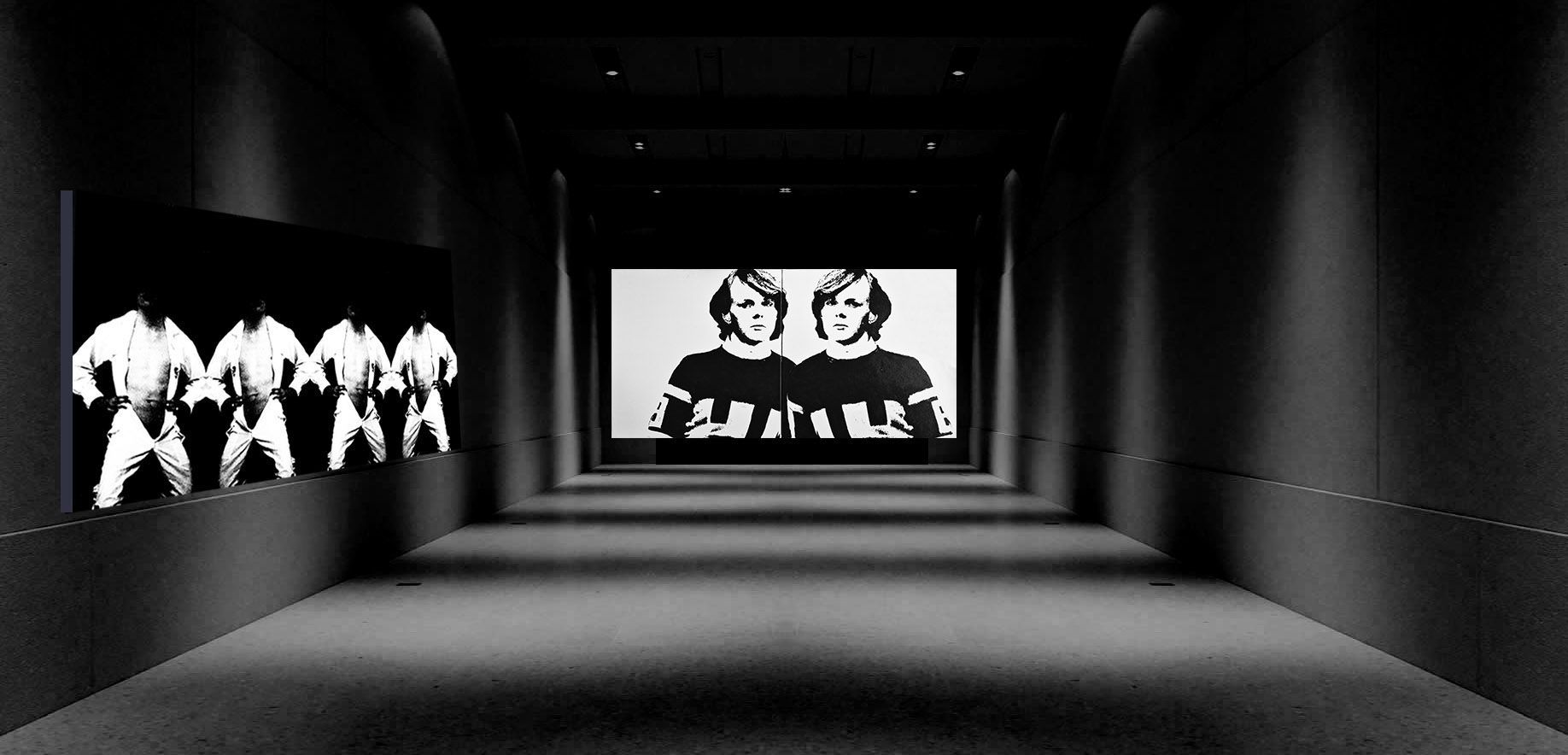
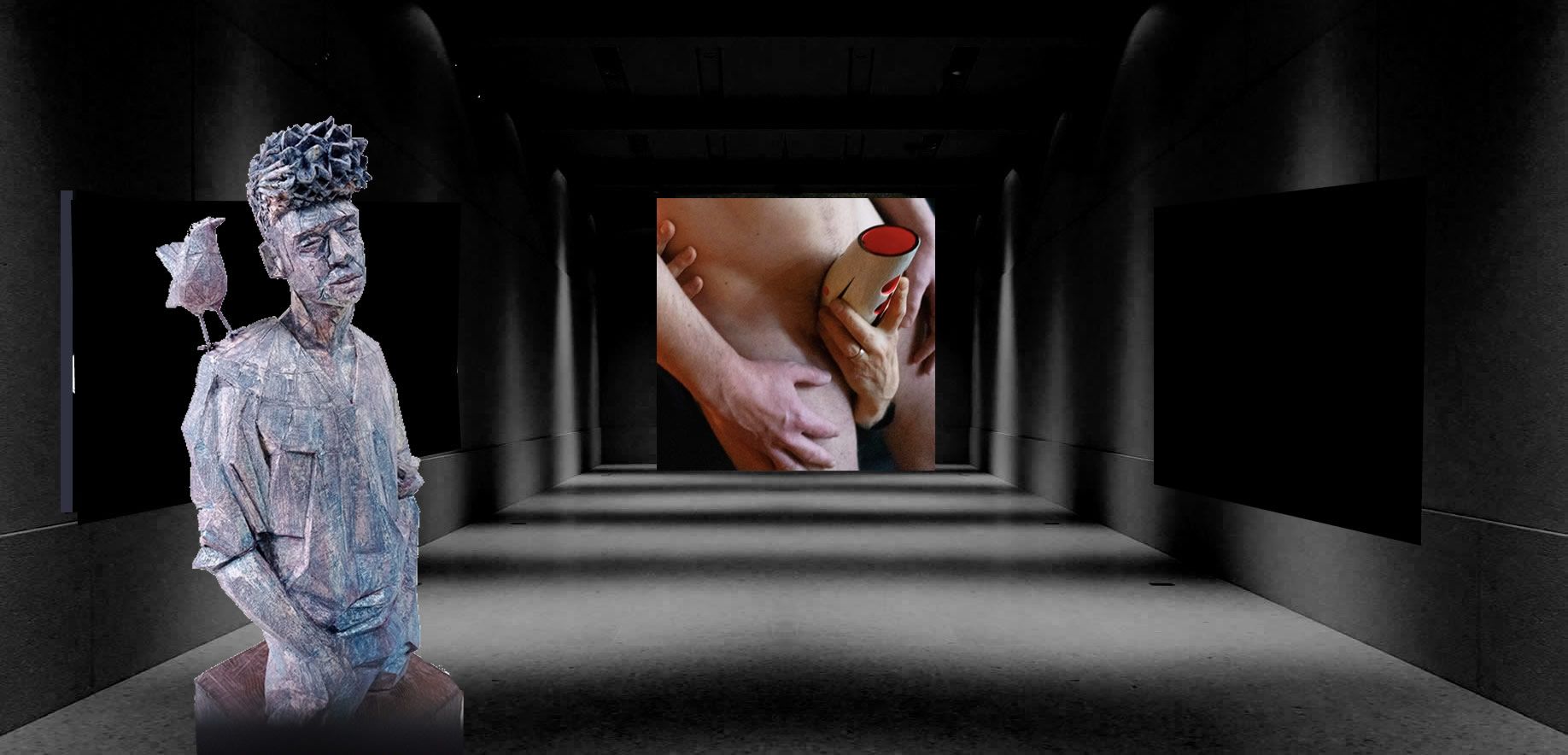
If Homosexuality is more than just sex, thenhomosexual art is more than just images of sex.
(James M. Salslow, 1999)
About us
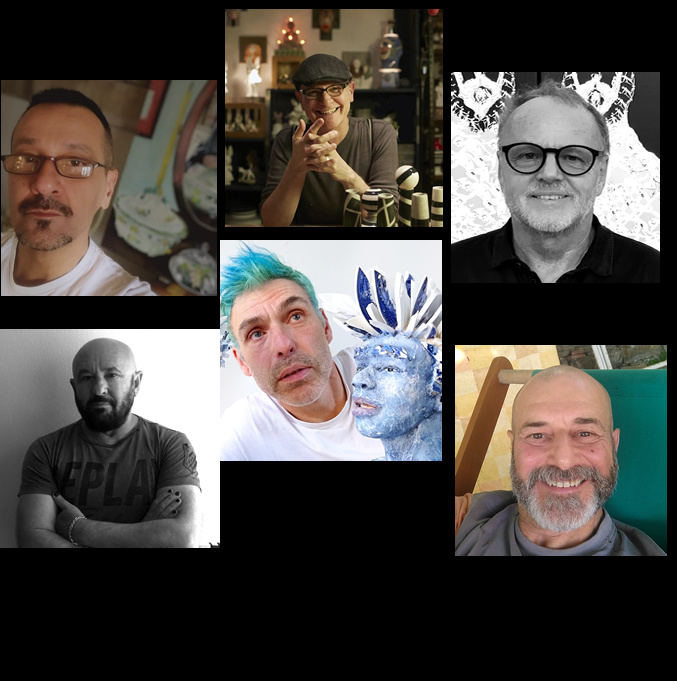
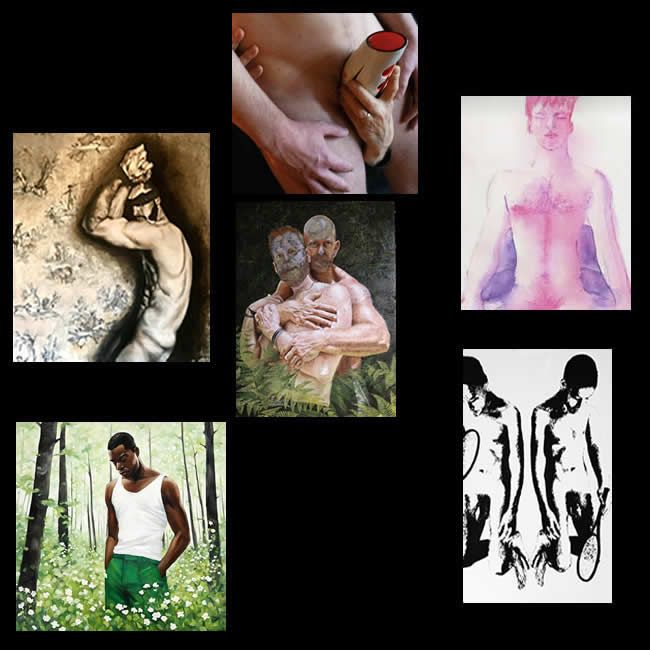
Apollo Queer Art is a dynamic international collective showcasing diverse talents from countries like Spain, Italy, Great Britain, Switzerland and the USA. Our focus lies in exploring contemporary interpretations of Queer Art across a multitude of mediums.
Apollo Queer Art Collective, established in 2021, has already made waves with exhibitions in Spain, Portugal, the United Kingdom, and South Africa. Our vision is to carve out a transparent and authentic platform for gay artists worldwide, fostering fresh dialogues around queer art and aesthetics. We aspire to expand Apollo Queer Art by welcoming artists from diverse corners of the globe, amplifying their artwork through online platforms and public exhibitions worldwide. Join us in shaping the future of queer artistry and discourse.



Exhibitions by our artists:
Queer Lens - Lente Queer
Belenartspace
C/Belén 5,Madrid, Spain
In collaboration with Muestra-T: Madrid's Pride Week
26.5. - 6.9.2026
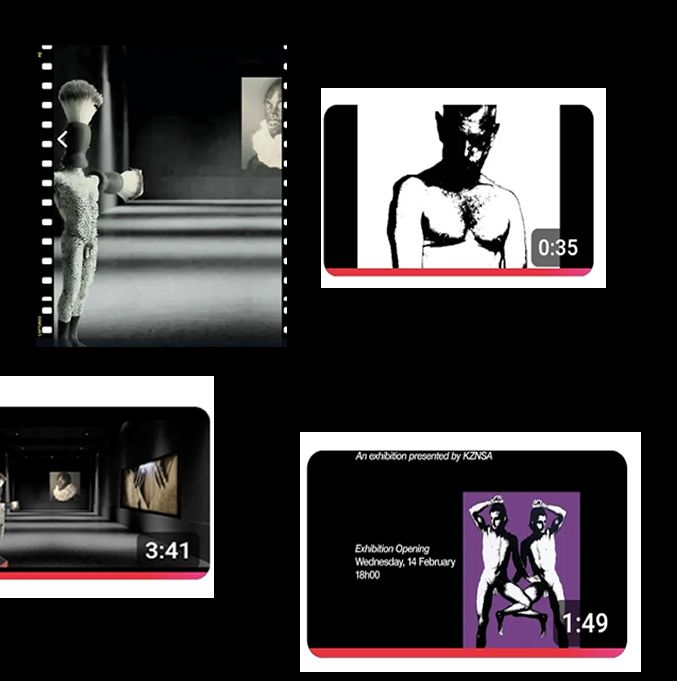
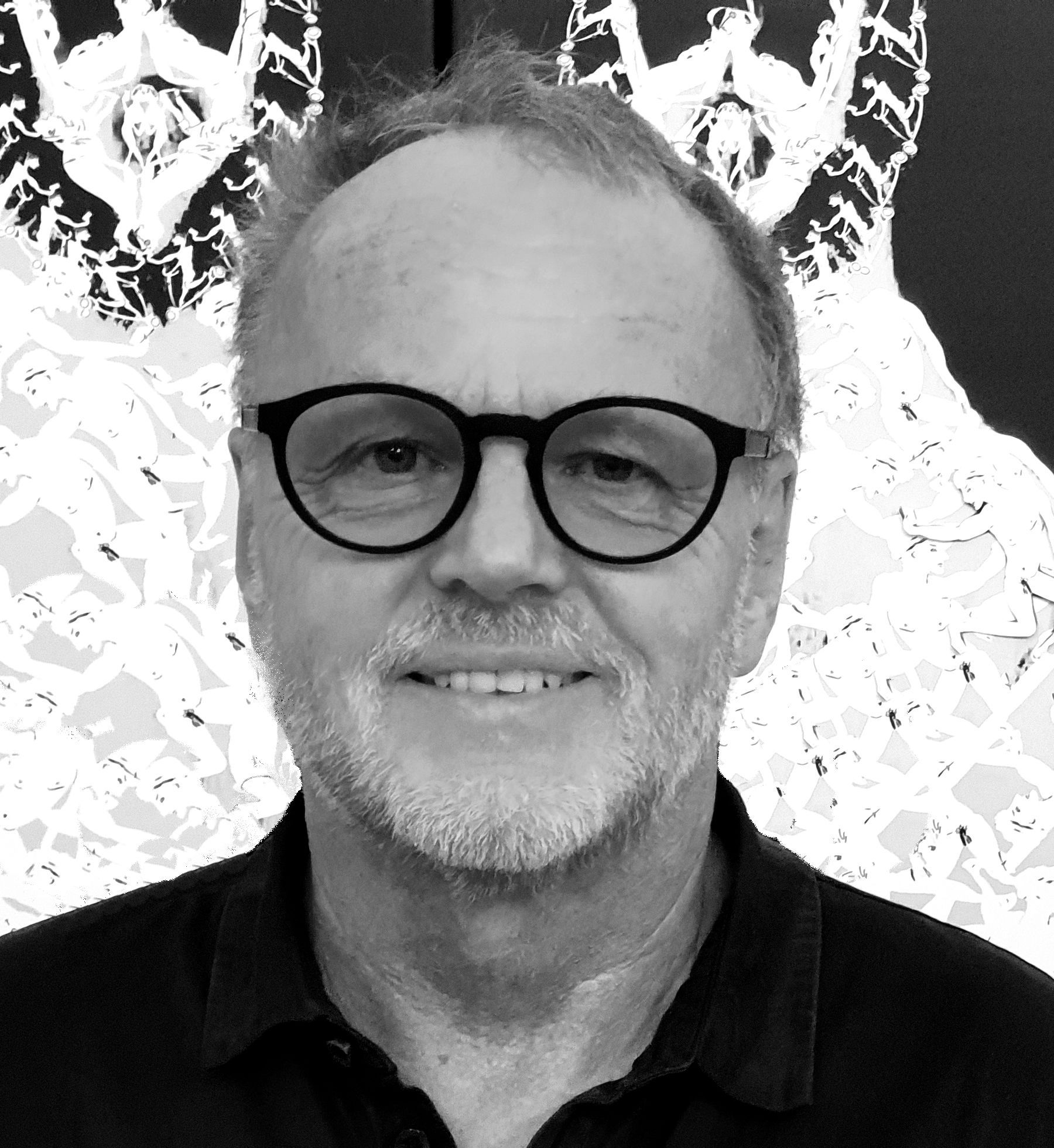
Through a queer lens, the gaze in Daniel Garbade’s work transforms seemingly everyday scenes into territories of ambiguity and symbolic tension. What at first glance might appear neutral or familiar shifts into a more intimate dimension, where gestures, postures, and relationships between bodies suggest open-ended narratives about desire, identity, and vulnerability.
Within this approach, the erotic is not presented explicitly; rather, it emerges as a persistent suggestion—a contained vibration that resides in the proximity of bodies, in averted gazes, or in the silence between figures. The chromatic economy—often reduced to black and white—intensifies this reading by eliminating distractions and focusing attention on the physical and emotional presence of the subjects. The queer lens in Garbade’s work does not seek to define fixed identities, but to question norms of representation, opening a space in which the body is freed from rigid categories. In this way, his works invite a more fluid perception of desire, where the masculine and the feminine, the public and the private, the intimate and the political intertwine. The result is a visual poetics that, through subtlety, proposes new ways of seeing and understanding the human experience.
semiqueer
centenial
Biello Martin Studio 148 N. 3rd St.
Philadelphia, PA, USA
30.4. - 27.6.2026
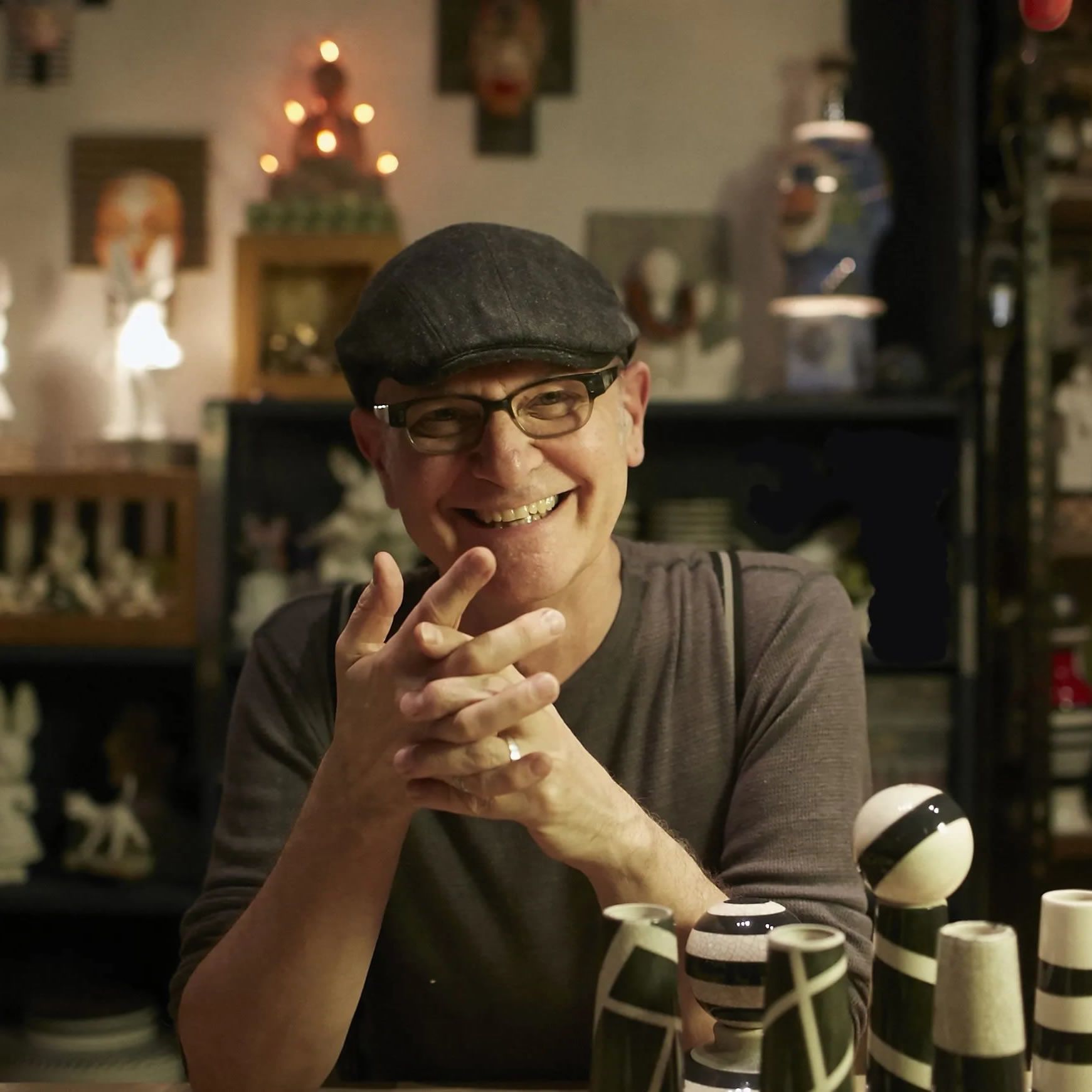
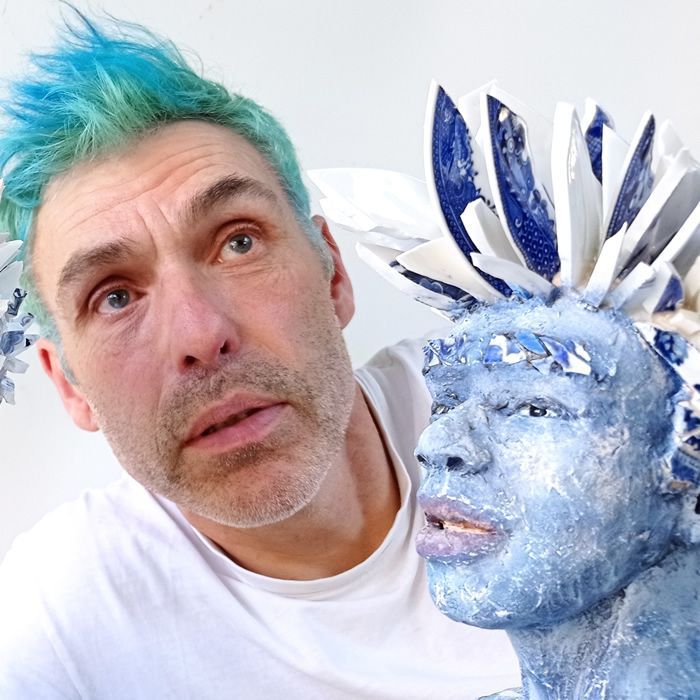
semiqueercetennial features several bodies of work by artists Adam Chau and Michael Biello. Chau collaborated with Lenox China to create a tiered porcelain table service for a future queer president, and is exhibiting his “Generated Love” series, incorporating AI images of gay love and intimacy in the style of Ming Dynasty porcelain. Biello is showing clay postcards of erotic photos from 1976 adult magazines collaged on historic scenes of 1776 Philadelphia and iconic New York City landmarks. Biello also pays homage to the 1976 Rocky film and Philly’s iconic Rocky statue with his RockyTutu series, as well as to his own Italian American heritage with his Pride Plates - images of Italian Renaissance statues and frescoes, the American flag, and photos from 1970's homoerotic magazines collaged on clay.